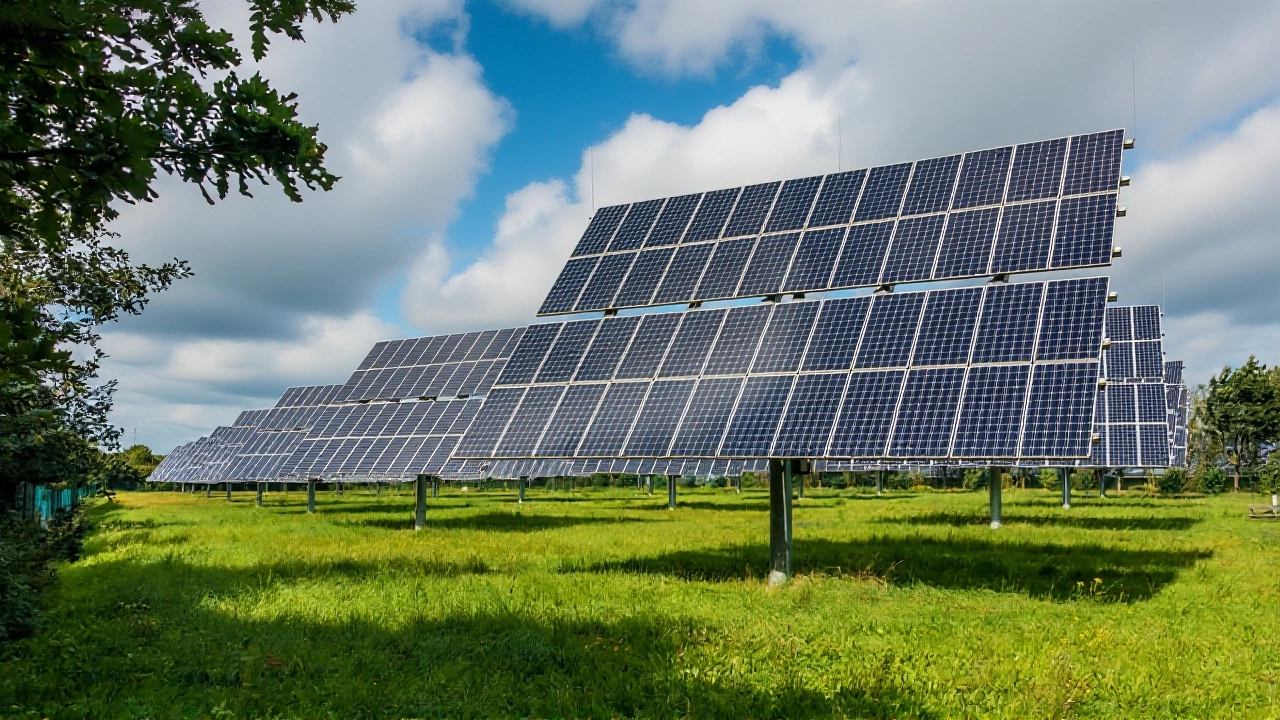
India is flipping the script on household energy costs. The Government of India has rolled out a massive initiative aimed at turning rooftops into mini power plants. It’s not just about saving money; it’s about energy independence.
Launched under the banner of Pradhan Mantri Surya Ghar: Muft Bijli Yojana, this scheme targets 1 crore (10 million) homes across the country. The promise? Up to 300 units of free electricity every month for eligible households. Here’s the thing: if you have a roof and a valid electricity connection, you might be sitting on a goldmine of savings.
The Core Promise: Free Power and Real Savings
The goal is straightforward but ambitious. By installing solar rooftop systems, homeowners can generate their own power. But wait—it gets better. Any excess electricity generated isn’t wasted. You sell it back to the grid. This net metering setup means your monthly bill could drop to zero, or even earn you credits.
Let’s talk numbers, because that’s what matters most. A typical family installing a 3kW system could save between ₹15,000 and ₹18,000 annually on their electricity bills. That’s real cash staying in your pocket. Plus, the government offers direct subsidies transferred straight to your bank account, reducing the upfront cost significantly.
Who Qualifies? The Eligibility Checklist
Not everyone can jump on board immediately. There are specific criteria set by the Ministry of New and Renewable Energy. To apply, you must:
- Be an Indian citizen with a residential electricity connection.
- Own a "solar-ready" home—meaning your roof can structurally support panels and receives adequate sunlight.
- Not have received a subsidy under any other central or state solar rooftop scheme previously.
If you’ve already taken advantage of a similar program, you’re out. But for first-time adopters, the door is wide open.
Understanding the Subsidy Structure
The financial incentive is designed to make solar accessible. The government provides a fixed subsidy of ₹30,000 for systems up to 2kW capacity. If you go bigger, the subsidy scales up. For a 3kW system, you get an additional ₹18,000 (totaling ₹48,000). For systems above 3kW, you receive ₹18,000 per kW, capped at a maximum total subsidy of ₹78,000.
So, if you install a large 10kW system, you hit that ₹78,000 ceiling. It’s a significant chunk off the installation bill, making the return on investment much faster.
Step-by-Step: How to Apply Online
Gone are the days of endless paperwork and office visits. The entire process is digital. Here’s how you navigate the official portal:
- Visit the Portal: Go to the official PM Surya Ghar website.
- Login as Consumer: Select the "Consumer" tab and click "Apply Now." Choose "Consumer Login" from the dropdown.
- Verify Your Number: Enter your registered mobile number linked to your electricity account. Solve the captcha, accept terms, and verify via OTP.
- Fill Details: Once logged in, enter your name, email, and pin code. Save these details.
- Fetch Account Info: Click "Apply for Solar Rooftop." Select your state, district, and DISCOM (electricity distribution company). Enter your consumer account number and click "Fetch Details."
- Submit Application: Review the loaded data, select your preferred vendor (or choose one from the list), and submit the application.
It sounds simple, and it is. The key is having your electricity consumer number handy before you start.
Major Process Overhauls in 2026
Here’s where the news gets exciting. Recent updates suggest a streamlined experience for applicants in 2026. According to industry reports and video tutorials circulating online, the approval timeline has shrunk dramatically. What used to take 3–4 months now reportedly takes just 3 days.
Another huge change? You no longer need separate applications for load enhancement for systems up to 10kW. When you apply on the PM Surya Ghar portal, the system automatically signals your DISCOM to adjust your sanctioned load. No more running between offices.
Furthermore, consumers can now install solar systems up to 100% of their sanctioned load. If your home has a 5kW sanctioned load, you can install a full 5kW solar system without extra permissions. This removes a major bottleneck that previously limited adoption.
Cost Breakdown: What Will It Actually Cost?
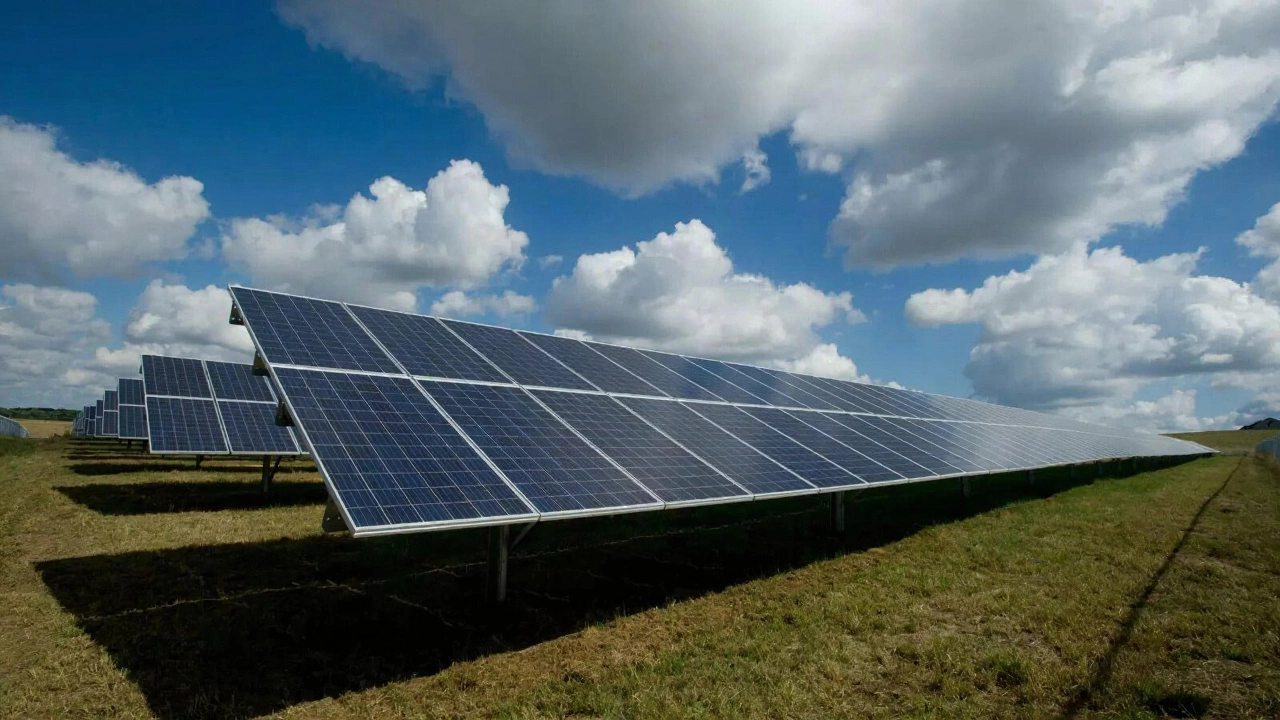
While the subsidy helps, there’s still an initial outlay unless you opt for financing schemes. Costs vary based on system type:
- On-Grid System (2kW): Approximately ₹1.2–1.3 lakh. After subsidy, your out-of-pocket expense drops to around ₹80,000–₹90,000.
- Hybrid System (with Battery): These offer backup power during outages. A 1kW hybrid system costs ₹45,000–₹55,000. A 2kW hybrid setup ranges from ₹1.3–1.6 lakh.
Many banks and NBFCs now offer low-interest solar loans, allowing you to pay in EMIs while enjoying zero electricity bills. In some promotional cases, vendors offer "zero down payment" options, effectively letting you install the system without touching your savings.
Is Your Roof Ready? Technical Checks
Before you click "submit," check your roof. Experts from firms like Genus Innovation emphasize three critical factors:
Sunlight Exposure: Your roof needs 4–6 hours of direct sunlight daily. South-facing roofs are ideal in India. Ensure no trees, towers, or adjacent buildings cast shadows on your potential panel area.
Structural Integrity: Solar panels last 20–25 years. Your roof must bear this weight long-term. Concrete roofs are generally best. If you’re building a new home, plan for conduit pipes for wiring and a dry, ventilated space for inverters and batteries.
Space Availability: You need clear, unobstructed space. Dust and debris also reduce efficiency, so easy access for cleaning is a plus.
What’s Next for Solar Adoption?
The push is gaining momentum. With simplified processes, higher subsidies, and clearer rules on load limits, the barrier to entry has never been lower. As more households switch, we’ll likely see further reductions in panel costs due to economies of scale.
For now, the window is open. If you’ve been waiting for a sign to cut your electricity bills and contribute to green energy, this is it. Check your eligibility, measure your roof, and start the application today.
Frequently Asked Questions
How much subsidy do I get for a 3kW solar system?
For a 3kW system, you receive a total subsidy of ₹48,000. This includes the base ₹30,000 for the first 2kW plus an additional ₹18,000 for the third kW. The subsidy is transferred directly to your bank account after installation verification.
Can I sell excess electricity back to the grid?
Yes. Under the net metering policy, any surplus power generated by your rooftop solar system is fed back into the grid. Your electricity meter records this export, which offsets your consumption charges, potentially reducing your bill to zero.
Do I need permission to increase my electricity load?
No, not separately. For systems up to 10kW, the PM Surya Ghar portal automatically notifies your DISCOM to enhance your sanctioned load upon application submission. This eliminates the need for additional paperwork or office visits.
What is the difference between On-Grid and Hybrid systems?
An On-Grid system connects directly to the utility grid and doesn’t store power, meaning it won’t work during outages. A Hybrid system includes batteries for storage, providing backup power when the grid is down. Hybrid systems are more expensive but offer greater reliability.
Is there an age limit or income cap for this scheme?
There is no specified age limit or income cap mentioned in the current guidelines. The primary requirements are Indian citizenship, ownership of a residential property with a valid electricity connection, and eligibility for the subsidy (i.e., not having received prior solar subsidies).