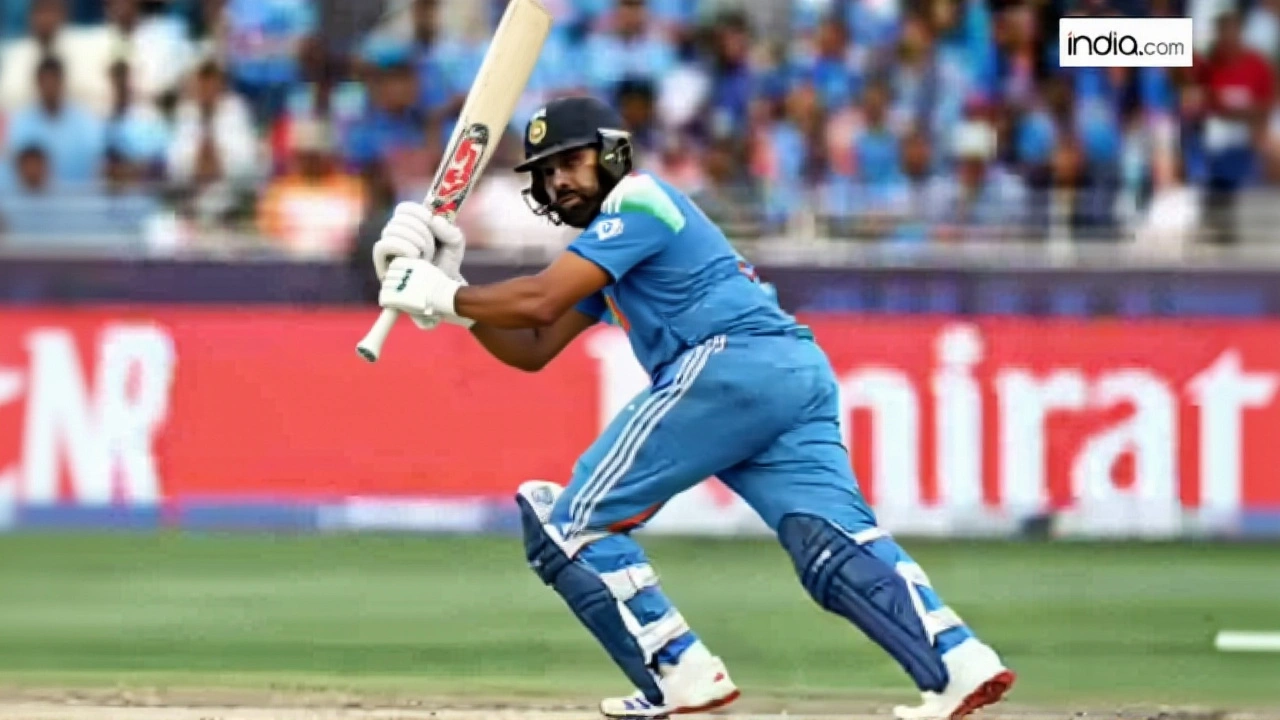
When Rohit Sharma, former captain of Team India, spoke recently, he didn't just talk about batting averages or wicket-keeping stats. He talked about legacy. Standing at a Mumbai Indians event, the veteran opener laid out his deepest wish for Indian cricket: to see his country become the undisputed "powerhouse" of world cricket.
It’s a bold statement from a man who has led the team through some of its most successful years. But here’s the twist—while Rohit dreams of India’s dominance, he is no longer the one steering the ship in the 50-over format. The leadership reins have been handed over, marking a significant transition in Indian cricket’s hierarchy.
The "Powerhouse" Ambition
During the ESA Day Mumbai , organized by the IPL franchise, Rohit was candid about his expectations. "I want India to become the powerhouse of world cricket," he said. "That is the main thing because I want India to be the best and cricket to be on top there."
He wasn’t speaking in abstract terms. Rohit pointed to the last three years as evidence that the foundation is already solid. "What we have done in the last three years has been excellent," he noted. This period saw India climb to the number one spot in Test rankings and secure major ICC trophies, validating his belief that the current core group is capable of sustained global dominance.
But wait—why does this vision matter now? Because the team is entering a critical phase. With the leadership changing hands, the question isn’t just whether India can win, but how it will evolve under new guidance while retaining its aggressive identity.
A New Era Under Shubman Gill
While Rohit looks ahead, the present reality involves a fresh face at the helm. Shubman Gill has been appointed as the new captain for the One Day International (ODI) side, taking over from Rohit. Gill, who had already been leading the Test team, now holds dual-format responsibility—a rare feat in modern Indian cricket.
This shift comes as India prepares for a crucial tour of Australia. The squad announcement confirmed that Rohit and Virat Kohli are returning to the fold after nearly seven months away from international duty. Their last appearance was during the February-March window, making this comeback highly anticipated.
The tour schedule is packed: three ODIs followed by five T20 Internationals. It’s a demanding itinerary, testing both fitness and mental resilience. For Gill, it’s an immediate test of his leadership credentials. Can he manage veterans like Rohit and Kohli while asserting his authority? That’s the million-dollar question.
Controversy and Commentary
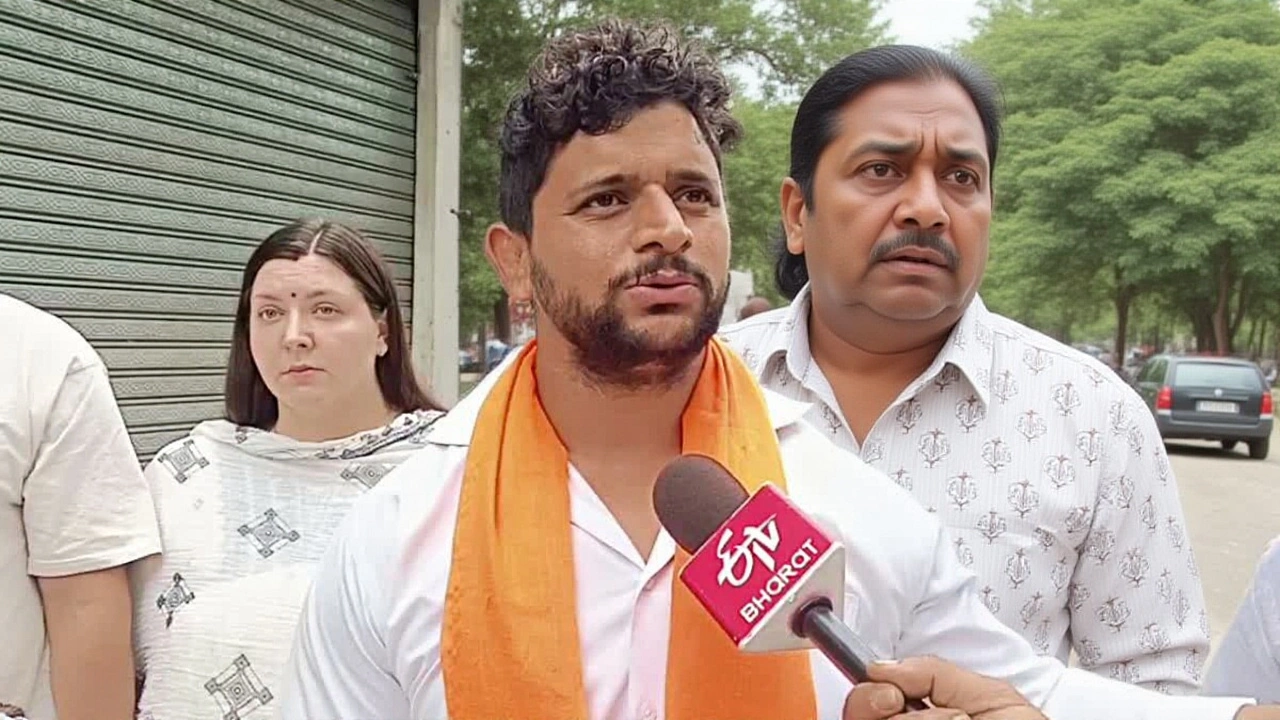
Not everyone is singing praises about the transition. Reports suggest that former cricketers Ajit Agarkar and Gautam Gambhir have made "explosive statements" regarding Rohit’s removal from the ODI captaincy. While the exact details remain unclear, these comments have fueled public debate about selection policies and management decisions within the Board of Control for Cricket in India (BCCI).
Here’s the thing—cricket in India is never just about the game. It’s a cultural phenomenon where every decision is dissected, debated, and often dramatized. The involvement of high-profile figures like Agarkar and Gambhir adds another layer of complexity. Are they criticizing the process? Defending Rohit? Or simply offering tactical analysis? The lines blur quickly.
Impact on Team Dynamics
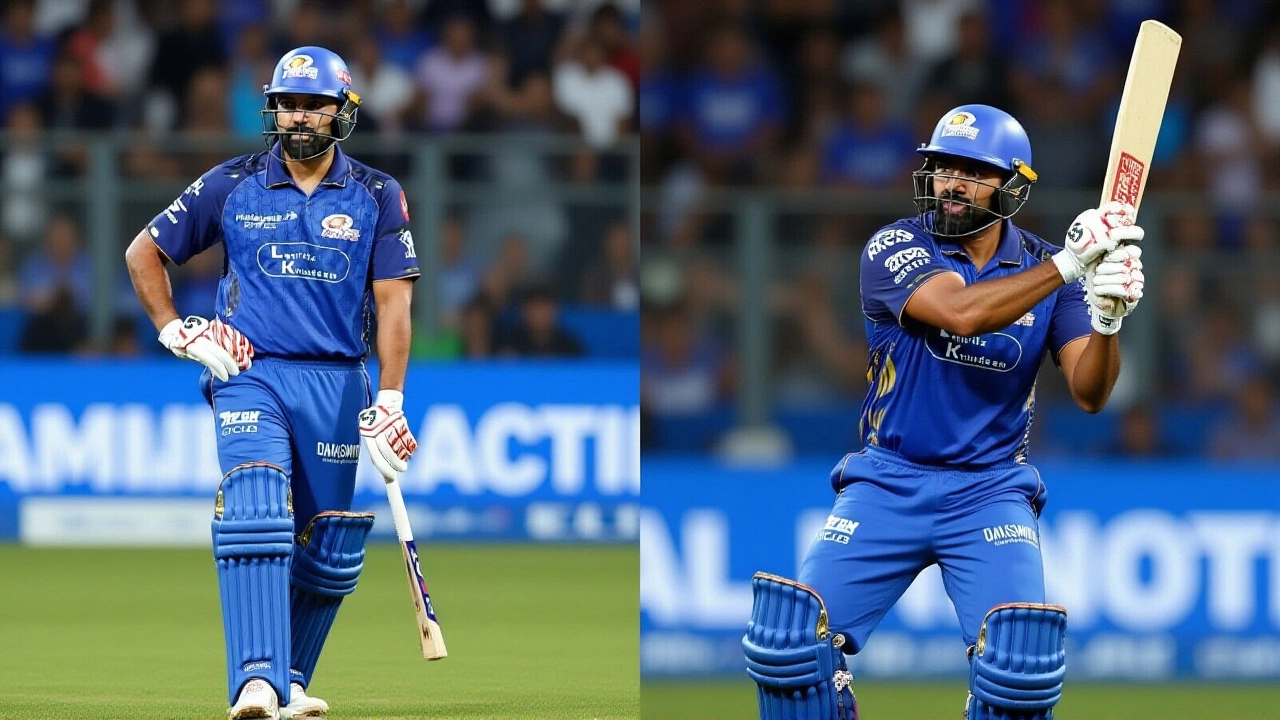
From a strategic standpoint, having Rohit and Kohli back in the squad strengthens India’s batting lineup immensely. Both players bring experience, temperament, and proven match-winning abilities. However, their presence also raises questions about role clarity. Will Rohit continue to open the innings? How will Kohli integrate into a middle order that may feature younger talents?
Moreover, Gill’s leadership style remains to be seen. Unlike Rohit, who led with calm assurance and tactical flexibility, Gill brings youthful energy and technical precision. Fans and experts alike are watching closely to see if this change sparks innovation or creates friction.
What’s Next for Indian Cricket?
The upcoming Australia tour serves as a litmus test for several aspects of Indian cricket. First, it evaluates Gill’s ability to lead under pressure in hostile conditions. Second, it assesses whether the senior stars can adapt to reduced responsibilities without losing form. Third, it highlights the BCCI’s long-term planning—are they grooming successors effectively?
If history is any guide, transitions rarely go smoothly. There will be missteps, controversies, and moments of doubt. But there will also be triumphs. India’s recent record suggests that despite internal shifts, the team possesses enough depth to compete at the highest level.
Frequently Asked Questions
Why was Rohit Sharma removed as ODI captain?
The official reasons haven’t been fully disclosed, but reports indicate a desire to refresh leadership and give younger players like Shubman Gill more responsibility. Some analysts believe it’s part of a broader strategy to prepare for future tournaments beyond the 2027 World Cup cycle.
Who is Shubman Gill and why was he chosen?
Shubman Gill is a young left-handed batsman known for his elegant strokeplay and consistency across formats. He was selected due to his performance in domestic cricket, IPL success with Gujarat Titans, and prior experience leading the Test side. His appointment signals trust in emerging talent.
How many matches will India play in Australia?
India will play a total of eight matches: three One Day Internationals (ODIs) followed by five Twenty20 Internationals (T20Is). The series aims to provide valuable preparation ahead of upcoming bilateral commitments and potential multi-team events.
Are Virat Kohli and Rohit Sharma playing together again?
Yes, both players have returned to the national squad after approximately seven months. They last played internationally during the February-March 2024 window. Their inclusion boosts morale and provides experienced support for the new captain.
What do Ajit Agarkar and Gautam Gambhir think about the change?
Both former captains have expressed strong opinions, though specifics vary. Agarkar reportedly questioned the timing of the decision, while Gambhir emphasized the need for clear communication between selectors and players. Their views reflect ongoing debates about transparency in team management.